IELTS English Lesson Plan and Strategies
1 year ago
As English proficiency exams rapidly advance, the IELTS remains an integral component of many students and professionals' language testing needs. As educators, our challenge lies in creating an engaging learning environment that not only prepares them for this arduous exam, but also fosters their love of English as they do so. This comprehensive guide will give you all of the key elements for effective IELTS teaching and preparation, with each section highlighting a practical instructional method teachers can adopt.
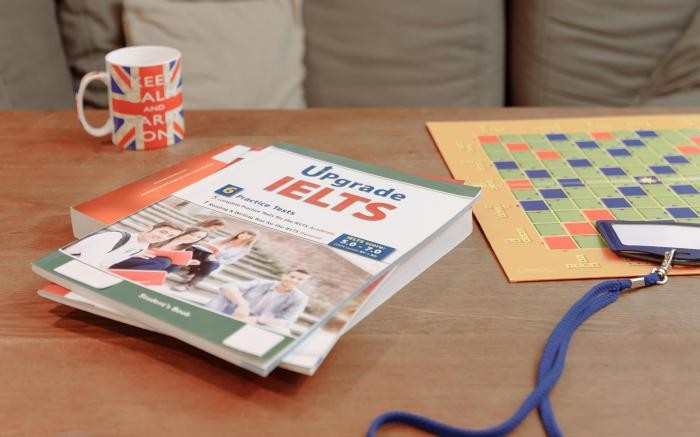
What are the four key focus areas for IELTS examination that must be covered in lesson plans?
IELTS exam is an intensive test that evaluates candidate's proficiency in four core areas: listening, speaking, reading and writing. Each area demands its own set of skills for optimal success in testing; therefore a well-balanced lesson plan must cover them all.
Listening
Activities should aim to develop students' ability to comprehend spoken English across accents and contexts, including podcasts, watching English-language movies or practicing IELTS-specific listening exercises. This instructional method helps learners adapt to real test conditions.
Speaking
Encourage students to express themselves clearly and fluently in English through role-play exercises, mock interviews and group discussions. These methods can help strengthen speaking abilities by giving learners structured instructional methods for practice.
Reading
Students should become exposed to various kinds of texts ranging from newspaper articles and academic papers, with comprehension exercises, vocabulary expansion activities and speed reading techniques among their activities. Such an instructional method builds confidence and improves comprehension speed.
Writing
Writing English can be challenging for some students. Regular writing assignments, feedback sessions and grammar exercises can help students improve their writing abilities and prepare them for IELTS writing tasks. Using a step-by-step instructional method ensures steady progress.
What are some effective resources for IELTS teaching and preparation?
Internet resources offer a treasure trove of materials for IELTS teaching and preparation. Here are three standout resources that will enhance your teaching arsenal:
1. The IELTS Blog for Teachers
This blog offers teachers of IELTS an extensive repository of useful advice, teaching resources and up-to-date information. It's an ideal starting point for novice IELTS instructors or those in search of fresh inspiration.
2. IELTS Online Tests (IOT)
This website offers free practice tests for both the general and academic versions of the IELTS exam, providing students with an invaluable opportunity to familiarise themselves with its format and enhance their test-taking strategies. Regular participation with this test can help students familiarise themselves with its structure as well as increase test-taking strategies.
3. Bridge's Micro-credential Course in Teaching IELTS Exam Prep
This self-paced, 20-hour course gives teachers an in-depth knowledge of IELTS exam format and effective teaching techniques, making this an invaluable resource to enhance professional development.
How can teachers make IELTS preparation engaging and exciting for their students?
Engaging students is key to their success on the IELTS exam, so here are some strategies for making IELTS preparation classes more engaging and enjoyable:
1. Universal ConceptsSelect topics that will resonate with everyone, such as popular culture, current events or global issues.
2. Play Memory GamesWord Association and Memory Chain are great memory-building games to make vocabulary learning enjoyable and interactive.
3. Task-Based Learning ActivitiesEngage students in tasks that force them to use English practically, such as planning a trip or debating current affairs.
4. Use of Popular Culture ReferencesUtilizing films, songs or television shows from pop culture will not only make lessons more engaging but will expose students to natural English dialogues as they study language skills.
What are the Benefits of Communities of Practice for IELTS Teachers
Communities of Practice (CoPs) are networks of professionals who share a similar area of interest or field of work, such as IELTS teachers. Joining a CoP can bring many advantages for IELTS instructors; such as offering them a platform to exchange ideas, share experiences and discuss shared challenges as well as offering moral support and an additional sense of belonging - this latter benefit is particularly important when teaching alone in isolation. LinkedIn, Facebook and various teaching forums host vibrant communities of IELTS instructors worldwide.
What activities could I add to IELTS lesson plans?
Here are five engaging activities you can add into your IELTS lesson plans:
1. Read a Short Story and Highlight Signposts/Linking Words
This activity helps students recognize how ideas are linked in text, which is an essential skill needed for passing the IELTS reading test.
2. Practice Timed Speaking with Mock Interviews
Timed speaking activities can simulate the pressures associated with taking the IELTS speaking test, helping students become adept at thinking quickly on their feet during tests like IELTS speaking exam.
3. Create a Never-Ending Story
Students participate in this activity by adding sentences to an ongoing narrative, honing both speaking and listening skills in tandem.
4. Engage Your Student(s) in Debates
Debates can strengthen students' speaking, critical thinking, and argument formation abilities.
5. Play Board and Card Games
Board and card games can make learning engaging while creating an inviting classroom atmosphere. These fun tools can also help build vocabulary, grammar and speaking skills!
Teaching IELTS preparation can be both rewarding and demanding. By focusing on core IELTS requirements, using effective resources, developing engaging lesson plans, networking with other IELTS teachers, and adding fun elements into lessons, you can help your students excel both on the exam itself as well as beyond its confines. Remember: our aim should not just be teaching English but instilling an appreciation of it that will remain long after formal lessons end.
-

Top Reward Tools for Online ESL Jobs
This article illustrates the impact of reward systems in ESL teaching, fostering engagement and elev... -
Global ESL Salary Benchmark Guide 2026
Global ESL salary benchmark guide 2026 with real monthly pay by country, benefits and cost of living... -

4 Best Place to Retire in the World
Explore the benefits and opportunities of teaching English abroad or online during retirement. Disco...

-
 8 US Dollar/HourTeach Online
 -

-
-
-

-

-