Kazakhstan facts: Fusion of History and Future
1 year ago
Kazakhstan, the ninth-largest nation on earth, remains shrouded in mystery and misperceptions. Yet this Central Asian gem tucked between Europe and Asia boasts an intriguing blend of history, culture, and modernity that make for an intriguing journey. Here are some facts about Kazakhstan that highlight its unique appeal.
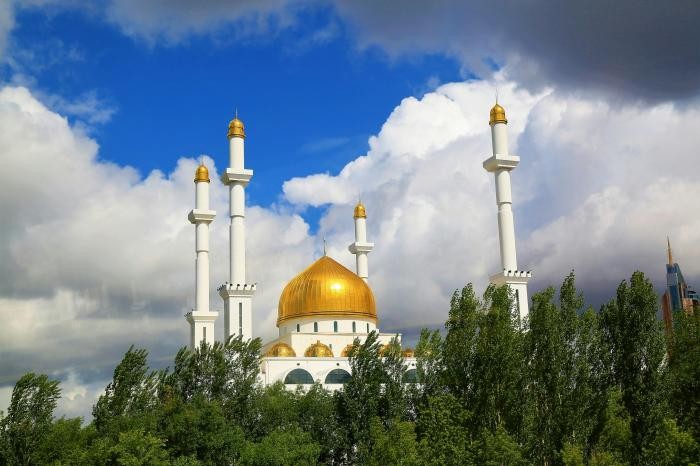
Geographical Uniqueness
Kazakhstan stands out geographically. The Ural River runs west through this nation, marking the traditional divide between Europe and Asia while simultaneously uniting different cultures, traditions, and landscapes into an Eurasian melting pot.
Educational Achievements
Kazakhstan has made remarkable advancements in education, becoming the top country on UNESCO's ranking list for commitments such as universal primary education, literacy, and gender parity. These facts about Kazakhstan demonstrate the nation’s dedication to nurturing its future generations through education, which can only be described as admirable.
Natural Wealth
Kazakhstan has abundant natural resources, from oil and gas to minerals. This wealth makes Kazakhstan an influential player in both global oil markets as well as beyond.
Astana: the futuristic Capital
Astana (now Nur-Sultan) stands as a testament to Kazakhstan's innovative vision. This futuristic city which derives its name from Kazakh meaning "capital," displays modern architecture and innovation at every turn.
Wildlife and Biodiversity
Kazakhstan boasts a rich biodiversity of wildlife and biodiversity. Kazakhstan hosts one of the largest populations of Przewalski's horse, once thought extinct in nature, which holds great symbolic meaning to Kazakh society as it symbolises their past as horse-taming civilizations.
Culinary Traditions
Kazakhstan's culinary landscape is as diverse as its terrain. From coffee-serving culture to wild apple groves in the steppes, Kazakhstan's food offerings provide a taste of its vibrant cultural heritage.
Festivities and Celebrations
Kazakhstan celebrates three New Year's festivities, each with their own distinct meaning and customs, reflecting Kazakhstan's cultural diversity and harmonious blend of multiple traditions.
Contributing to Space Exploration
Kazakhstan's Baikonur Cosmodrome, owned by the Russian Space Agency and used as the launch site of manned orbital flights since 1977, remains a crucial point in space exploration. Baikonur remains at the core of our understanding of space.
Tourism Potential
Kazakhstan has long been recognized for its natural beauty and cultural legacy, making it an attractive winter sports tourism destination. Recent development plans for mountainous regions signal Kazakhstan's potential as an exciting winter sports playground.
Diversity in Language and Ethnicity
Kazakhstan's rich cultural tapestry reflects over 100 ethnic groups that contribute to its vibrant diversity. Kazakh and Russian languages coexist peacefully in tandem, reflecting both Kazakhstan's longstanding history and commitment to social cohesion.
Economic Landscape
Kazakhstan's economy currently depends heavily on mineral wealth; however, efforts are underway to diversify it through agriculture, technology, and manufacturing industries; creating more balanced and sustainable economic future.
Music and Instruments as Cultural Heritage Items
Kazakhstan's cultural wealth can be seen through its traditional music and instruments, like dombra and kobyz which form an integral part of Kazakh music, often accompanying storytelling or poetry to provide a melodic journey through folklore and traditions of this vast nation.
Environmental Conservation
Kazakhstan faces environmental challenges such as desertification and water scarcity. But its government is taking proactive steps to address them by implementing conservation initiatives and supporting sustainable development practices that preserve Kazakhstan's natural beauty for future generations.
Kazakhstan is an intriguing land of contrasts and diversity, where traditions and modernity coexist peacefully. Boasting rich cultural traditions, stunning landscapes, and forward-thinking vision, Kazakhstan makes for an intriguing travel destination. As we discover more facts about Kazakhstan, it becomes apparent that this nation not only connects continents but also eras—offering visitors a truly unforgettable experience!
-

Unveiling China's Most Popular Food: A Gastronomic Adventure
Discover how elicitation, an interactive teaching strategy, engages students in EFL classrooms while... -
Facts About Thailand: A Cultural Odyssey
Thailand, Thai culture, wildlife, traditions, Bangkok, Buddhist temples, monastic life, national ant... -

What Is London Known For: Culture & Landmarks
Experience London's cultural richness, iconic landmarks, green spaces, and unique transportation sys...

-
 8 US Dollar/HourTeach Online
 -

-

-
-

-

-